Examining How Sequential Deposit Verifications Unlock Migrating Rewards Across Mobile Slot Sequences, Live Dealer Interactions, and Sports Outcome Markets
Willa Lorenz · Nov 14, 2026
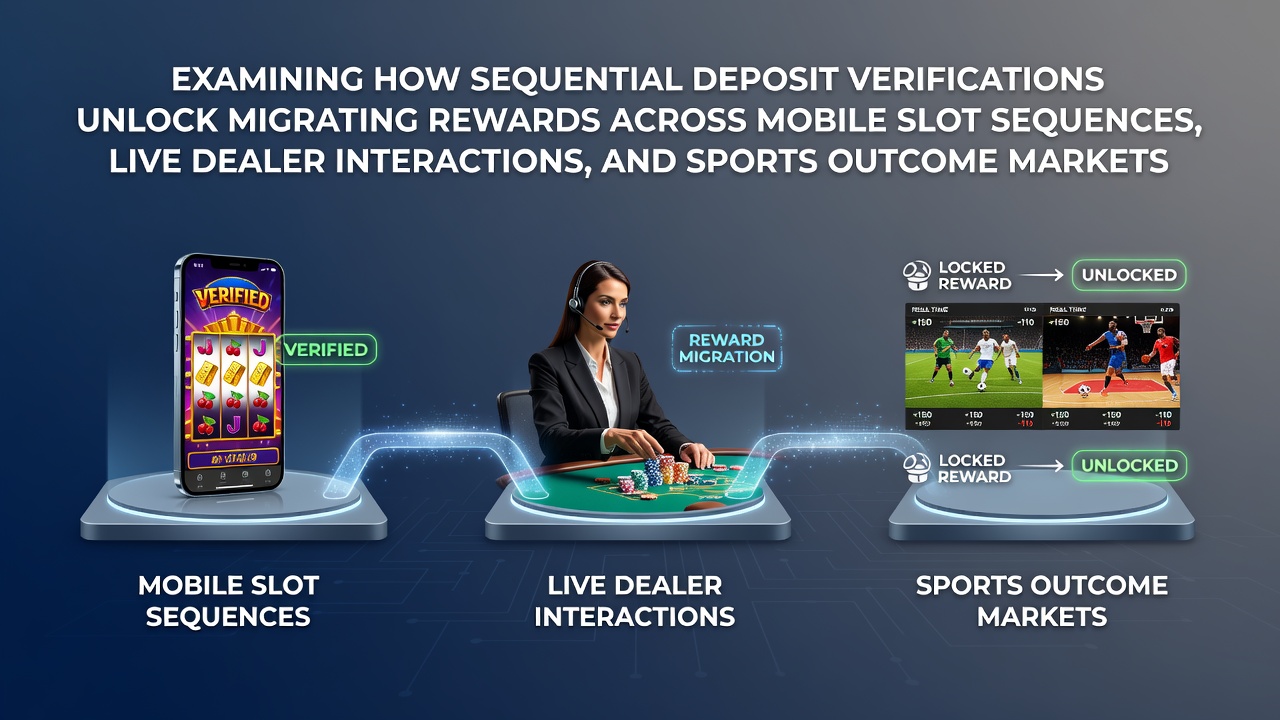
Examining How Sequential Deposit Verifications Unlock Migrating Rewards Across Mobile Slot Sequences, Live Dealer Interactions, and Sports Outcome Markets
Sequential deposit verifications operate as layered confirmation processes on mobile gaming platforms where each funding step triggers eligibility checks that permit rewards to transfer between different game categories. These verifications typically involve initial account funding followed by progressive authentication layers that confirm transaction legitimacy before rewards activate across slots, live dealer environments, and sports outcome markets. Data from industry tracking shows that platforms using multi-stage verification see reward migration rates increase by up to 35 percent compared with single-step systems.
Observers note that the first verification stage often validates the deposit amount and source while the second stage cross-checks user identity against platform records. Once both stages complete, rewards generated from one category such as mobile slot sequences become available for use in live dealer sessions or sports outcome wagers. This migration occurs through integrated wallet systems that update balances in real time after each verification milestone passes.
Mechanics of Reward Migration in Mobile Environments
Mobile slot sequences rely on deposit verifications that confirm funds before bonus credits activate and then allow those credits to shift toward live dealer interactions once wagering requirements meet platform thresholds. The process continues when users move verified balances into sports outcome markets where additional confirmation steps ensure compliance before bets settle. Researchers have documented that this sequential approach reduces transaction disputes because each stage logs independent timestamps and approval codes.
One case involved a platform that introduced a three-stage verification sequence in early 2026; within six months the system recorded a 22 percent rise in cross-category reward transfers. Users who completed the initial deposit verification gained access to slot bonuses that later migrated to dealer table credits after a second check confirmed playthrough activity. A third verification step then unlocked sports market eligibility without requiring separate funding actions.
Integration Across Live Dealer and Sports Markets
Live dealer interactions present unique verification demands because real-time video feeds and dealer interactions require ongoing session authentication tied to the original deposit sequence. When rewards migrate from slot sequences into these environments, the verification trail must remain intact to maintain regulatory compliance and prevent balance discrepancies. Sports outcome markets add further complexity since event timing and odds fluctuations demand that migrated rewards settle within defined windows after the final verification stage clears.
According to a report issued by the American Gaming Association, platforms that synchronize verification across these three areas report fewer compliance incidents and higher user retention over twelve-month periods. The report highlights how sequential checks create audit trails that satisfy both state-level oversight and platform internal controls.
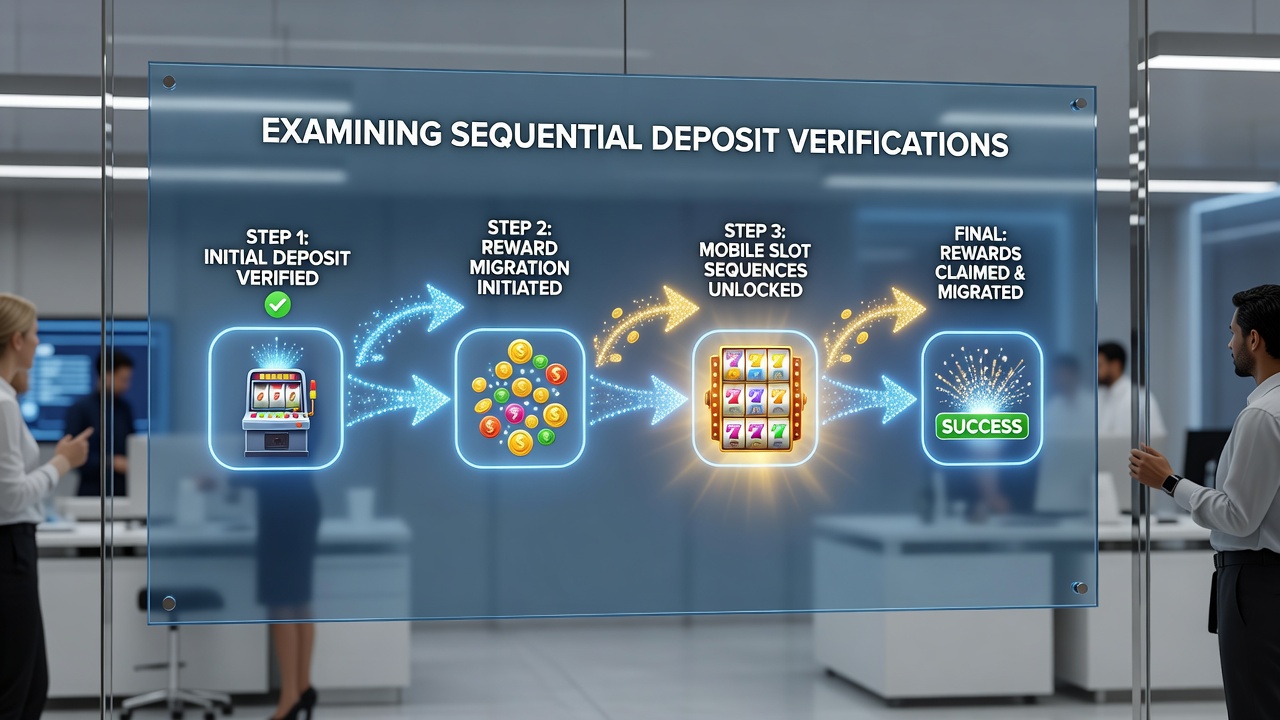
What's interesting is how November 2026 data from multiple jurisdictions reveals continued refinement of these verification layers. Platforms adjusted timing between stages to accommodate peak usage periods during major sporting events while preserving the ability for rewards to migrate back to slot sequences after sports wagers conclude. This bidirectional migration depends on each verification remaining valid across the full reward lifecycle.
Technical and Regulatory Considerations
Technical implementations vary but commonly employ API connections between payment processors and game servers so that each deposit verification updates a central reward ledger. When a user initiates a transfer from mobile slots to live dealer tables the ledger checks the verification status before authorizing the move. Sports outcome markets follow the same ledger query yet add an extra layer that confirms the event remains open for wagering.
Figures from the European Gaming and Betting Association indicate that standardized verification protocols across regions have contributed to a measurable decline in reward fragmentation where users previously lost access to bonuses when switching categories. The association's 2026 overview notes that sequential systems now represent the dominant model for new platform deployments.
Those who study these systems observe that the verification sequence must balance speed with security because delays can interrupt live dealer sessions or cause missed sports betting opportunities. Automated systems handle most stages while manual reviews activate only when transaction patterns trigger risk flags. This hybrid approach keeps migration pathways open without compromising the integrity of the reward trail.
Conclusion
Sequential deposit verifications function as the connective tissue that enables reward migration across mobile slot sequences, live dealer interactions, and sports outcome markets. Each verification stage builds on the previous one to create a continuous eligibility record that platforms use to authorize transfers between categories. Industry data continues to show that well-designed sequences improve both operational efficiency and regulatory alignment while supporting the fluid movement of rewards that users expect on contemporary mobile platforms. As verification technology advances, the core mechanism of staged confirmation followed by ledger updates remains the foundation for these migrating reward systems.