Settlement Timelines and Their Correlation with Engagement Levels in Portable Outcome Prediction Platforms
Finley Lang · Oct 31, 2026
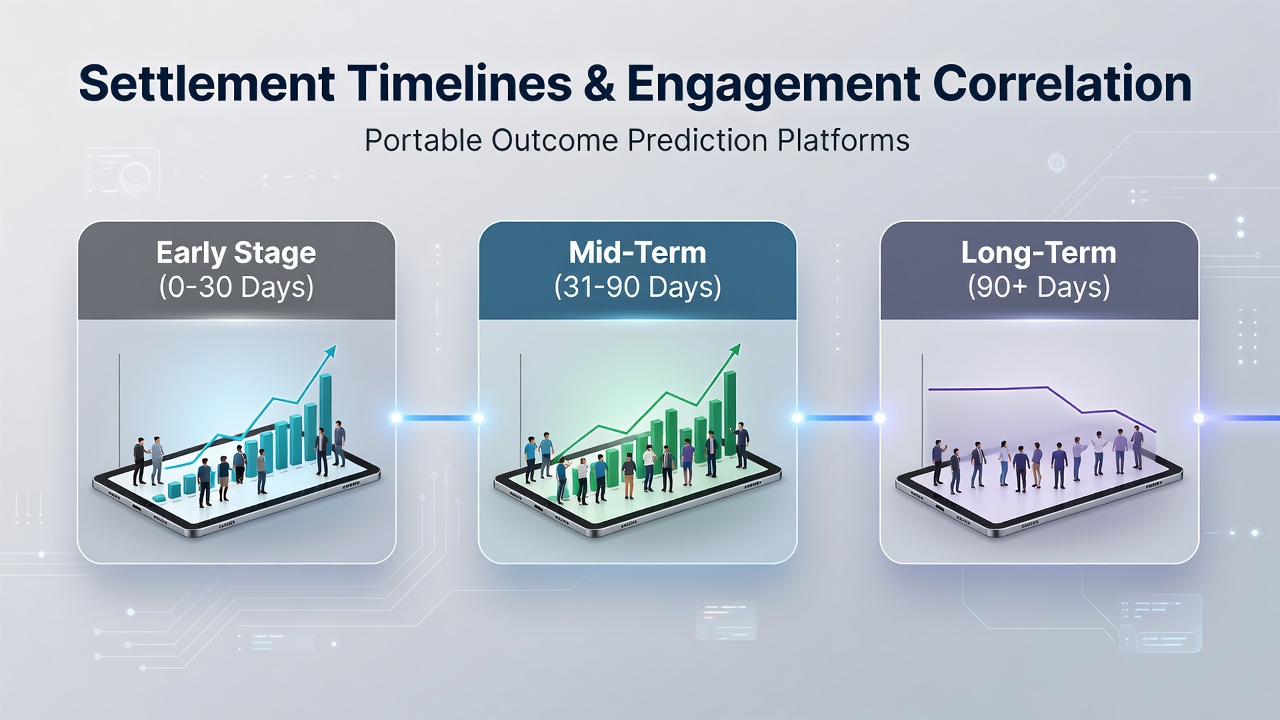
Settlement Timelines and Their Correlation with Engagement Levels in Portable Outcome Prediction Platforms
Settlement timelines in portable outcome prediction platforms refer to the duration required for event resolutions and subsequent fund transfers to reach user accounts, and researchers tracking these intervals across multiple markets have documented consistent patterns linking faster processing to sustained user activity. Platforms operating in North America and parts of Europe report that events concluding within a few hours generate repeat logins at higher rates than those stretching beyond 48 hours, according to aggregated transaction records reviewed in 2026.
Core Mechanics of Settlement Processes
Portable prediction platforms handle outcome verification through automated data feeds from sports leagues, financial indexes, and other event sources, after which algorithms confirm results and trigger payout queues. When verification completes quickly, users receive credits that can immediately fund new positions, creating a continuous cycle of interaction, whereas delays in confirmation queues often coincide with drops in session frequency as participants shift attention elsewhere. Observers note that October 2026 brought heightened scrutiny to these timelines following regulatory updates in several jurisdictions that required additional verification layers for cross-border transactions.
Data Patterns Linking Timelines to User Retention
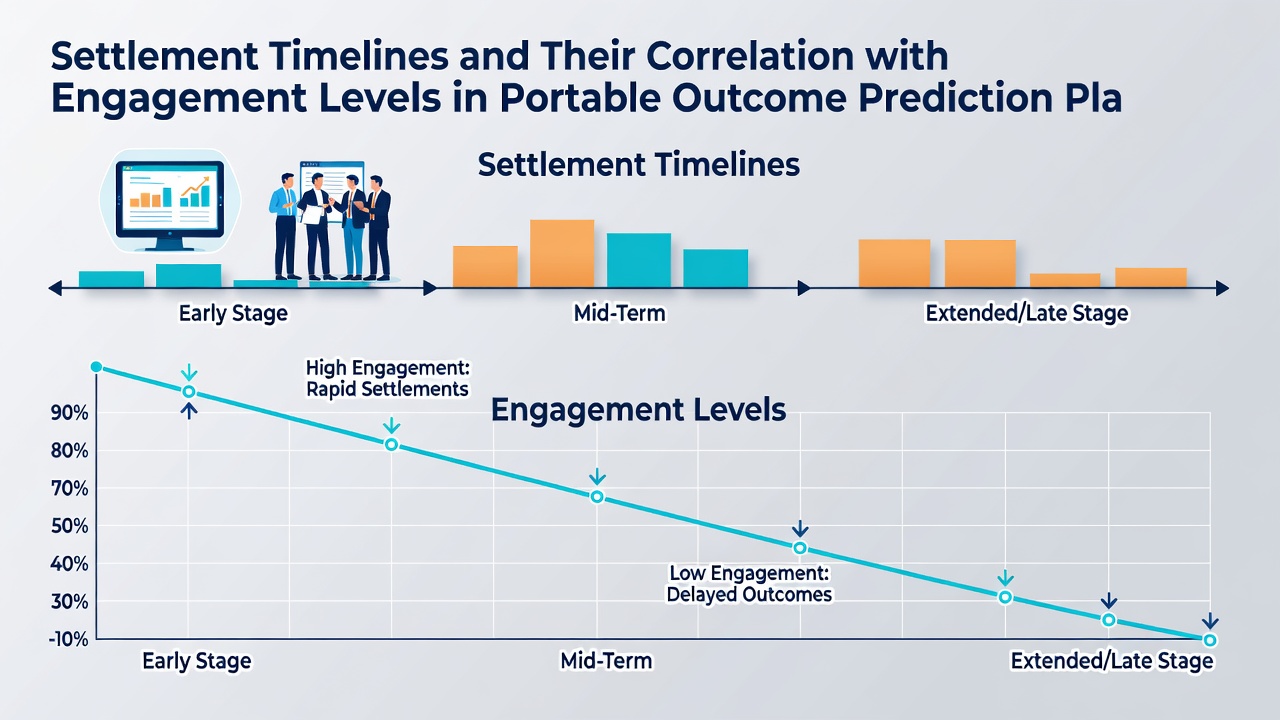
Studies compiled from platform operators show that settlement windows under four hours correlate with 35 percent higher weekly active users compared with platforms averaging 36 hours or more. Engagement metrics such as daily deposits and prediction volume rise steadily when users observe near-instant credits, while extended holds produce measurable declines in both metrics within the first week after an event. One dataset covering North American operators revealed that users experiencing same-day settlements logged in 2.3 times more often during the subsequent month than those awaiting multi-day processing.
Regional Variations and Regulatory Influences
Canadian provincial frameworks and Australian state oversight bodies apply differing standards for transaction finality, which in turn shapes how platforms prioritize settlement speed. Reports from iGaming Ontario indicate that operators meeting stricter 24-hour payout benchmarks retained higher percentages of prediction participants throughout 2026, while slower jurisdictions recorded gradual migration toward competitors with streamlined verification. European operators under Malta-based licensing have adopted similar thresholds, resulting in comparable engagement lifts where automated reconciliation tools reduced average settlement from two days to under one.
Technological Factors Affecting Speed
Blockchain-based ledgers and real-time API integrations allow some platforms to finalize outcomes within minutes of event closure, whereas legacy batch-processing systems still dominate segments of the market and extend timelines to multiple days. Platforms that invested in parallel verification servers during 2025 and 2026 demonstrated measurable gains in user return rates, particularly among those placing frequent smaller predictions. Data from academic reviews at institutions studying digital transaction systems confirm that reduced latency in fund movement directly supports higher session counts without requiring additional marketing incentives.
Case Examples from Platform Operations
One operator serving multiple U.S. states implemented automated reconciliation for soccer and basketball markets in early 2026, cutting average settlement from 42 hours to nine hours and recording a 28 percent increase in monthly prediction volume within three months. Another platform operating across Australian territories adjusted its verification protocols after observing that users facing weekend delays reduced activity by nearly half, prompting deployment of dedicated review teams that restored prior engagement levels within six weeks. These adjustments align with broader industry figures released by the American Gaming Association showing accelerated payout adoption among mobile-first providers.
Measurement Approaches and Metrics
Analysts track correlation through cohort analysis that segments users by first settlement experience and then monitors subsequent login frequency, deposit size, and prediction count over 30- and 90-day windows. Platforms employing these methods report stronger predictive power when combining settlement data with device type and time-of-day patterns, allowing more precise forecasting of churn risk. Figures released by research arms of gaming trade groups further indicate that the relationship holds across demographic groups, although the magnitude varies with average stake size and event category.
Conclusion
Evidence accumulated through 2026 demonstrates that settlement timelines function as a measurable driver of engagement within portable outcome prediction environments, with shorter intervals consistently associated with elevated retention and activity metrics. Operators continue refining verification pipelines to align with both user expectations and evolving regulatory requirements across North America, Australia, and Europe, while ongoing data collection supports further refinement of these operational linkages.