The Interplay of Instant Funding Options and Customized Game Libraries in Modern Betting Applications
Uma Lang · Oct 17, 2026
The Interplay of Instant Funding Options and Customized Game Libraries in Modern Betting Applications
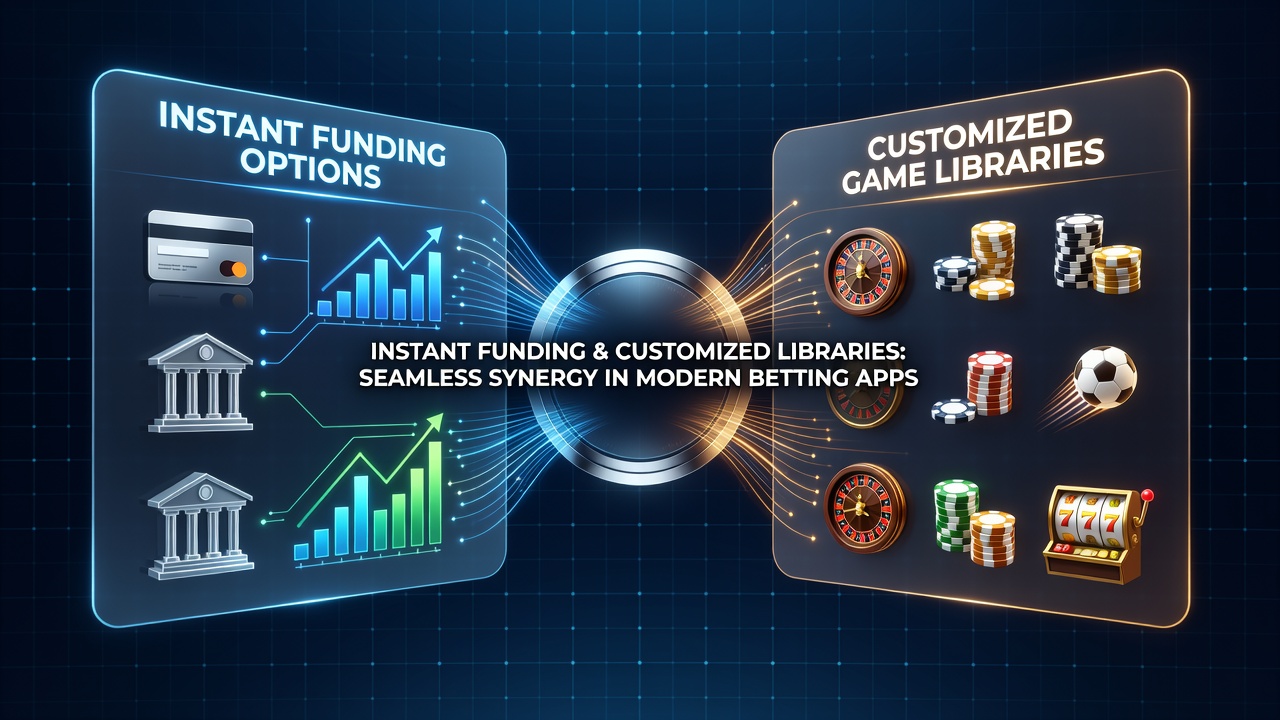
Modern betting applications integrate instant funding mechanisms with tailored game libraries to create seamless user experiences that respond to individual preferences and transaction speeds. Instant funding options encompass methods such as real-time bank transfers, digital wallets, and certain cryptocurrency channels that complete deposits within seconds rather than minutes or hours. These systems allow users to move funds directly into their accounts without traditional processing delays, and operators track these transactions to refine game suggestions based on deposit patterns and play history.
Mechanics of Instant Funding in Betting Platforms
Operators deploy instant funding through partnerships with payment processors that verify transactions in real time, and data from these processes feeds into algorithms that adjust visible game options almost immediately. In October 2026, several major platforms reported that over 65 percent of mobile deposits occurred via instant methods, according to figures from the American Gaming Association. This speed reduces friction between account funding and game selection, which in turn lets systems present customized libraries featuring specific slot titles, live dealer variants, or sports markets that align with a user's recent activity.
Payment verification layers now combine biometric checks with transaction history to approve funds rapidly, and these same data points help platforms segment users into preference groups. Researchers at institutions studying digital gambling behaviors note that users who complete instant deposits tend to engage with a broader range of game types within the first session compared to those using slower methods. The connection arises because platforms can push tailored content once the account balance updates without lag.
Development of Customized Game Libraries
Customized game libraries rely on machine learning models that analyze past bets, session duration, and deposit frequency to curate selections for each account. These libraries might highlight particular roulette variants for one user while surfacing soccer prediction markets for another, all based on observable patterns rather than generic promotions. Observers note that the accuracy of these recommendations improves when funding occurs instantly, since the system receives fresh signals about user intent and available balance without waiting periods.
Regional Patterns in Funding and Personalization
European markets show strong adoption of instant funding paired with localized game catalogs, where operators adjust offerings according to regulatory requirements in each jurisdiction. Data from the European Gaming and Betting Association indicates that cross-border platforms updated their libraries more frequently when instant deposit volumes rose during 2026. In contrast, North American apps emphasize sports-focused customizations that activate right after instant funding clears, reflecting regional preferences for event-based wagering.
Platforms in Australia have incorporated similar systems, drawing on transaction speed to prioritize pokies or racing markets that match user history. Those who study these markets point out that the interplay becomes evident when users receive game suggestions that reference both their funding method and prior selections, creating a feedback loop that sustains engagement across multiple categories.
Technical Integration and Data Flow
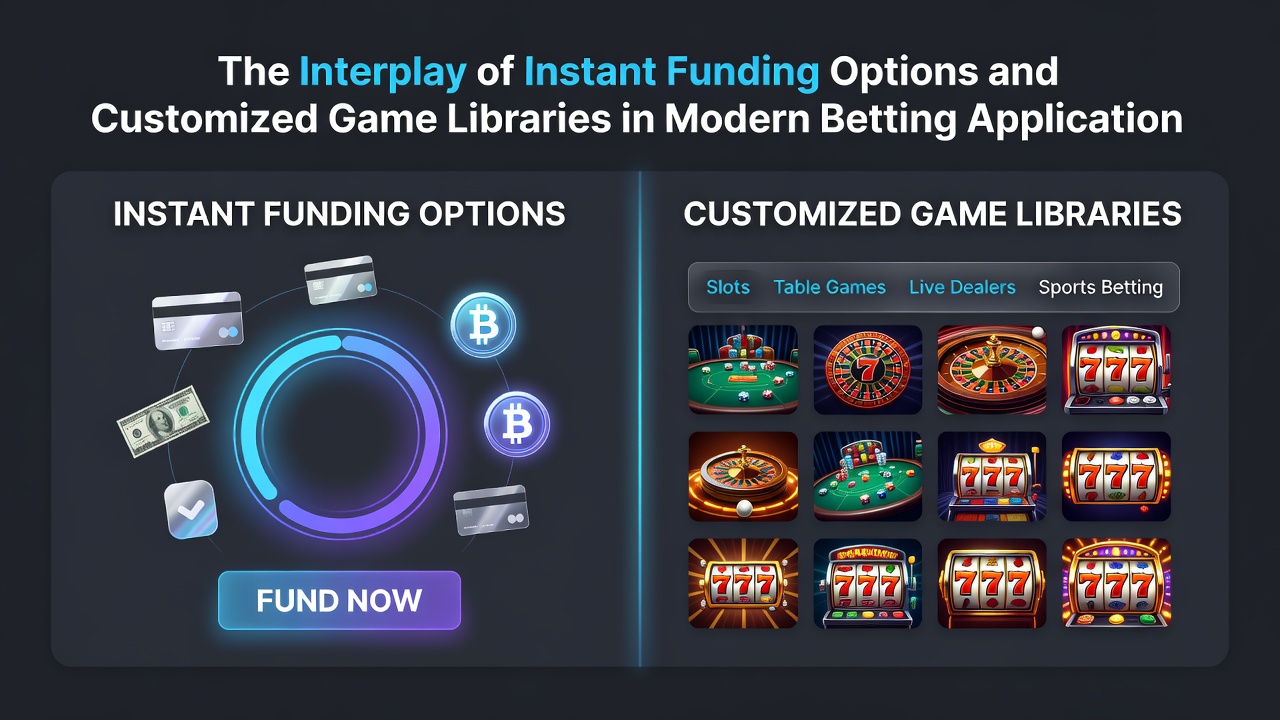
The technical backbone involves APIs that connect payment gateways directly to recommendation engines, allowing libraries to refresh within seconds of a completed deposit. This integration means a user who funds an account instantly might see new table game options or betting markets appear before they even navigate away from the cashier screen. Studies from research groups examining app analytics have documented that such rapid updates correlate with higher retention rates across hybrid casino and sports platforms.
Security protocols remain central to these systems, requiring encryption and compliance checks that run parallel to the funding process without slowing it down. Regulators in multiple jurisdictions monitor how these combined features affect responsible gambling tools, and operators respond by embedding session limits or reality checks that activate based on the same data used for personalization. The result is a framework where instant funding not only speeds access but also supplies the raw information needed to keep libraries relevant over time.
Market Trends Observed in Late 2026
By October 2026, several platforms had expanded their use of instant funding to support more granular customization, including filters for volatility levels in slots or odds ranges in sports events. Industry reports highlight that users accessing these features through instant deposits explored an average of 12 percent more game categories than those relying on standard transfers. The pattern holds across mobile interfaces, where screen real estate limits how many options display at once, making algorithmic selection especially important.
Partnerships between payment providers and game suppliers have accelerated this trend, as both sides benefit from the increased volume of transactions that flow through customized pathways. Observers tracking these developments note that the interplay continues to evolve with new funding technologies entering the market, each one feeding additional data points into the personalization layer.
Conclusion
The connection between instant funding options and customized game libraries in modern betting applications rests on shared data streams and real-time processing capabilities. As platforms refine these elements, the systems deliver more precise matches between available funds and suggested content across casino and sports categories. Continued monitoring by regulatory bodies and industry groups will shape how these features develop in coming periods, with current patterns indicating sustained integration across major markets.